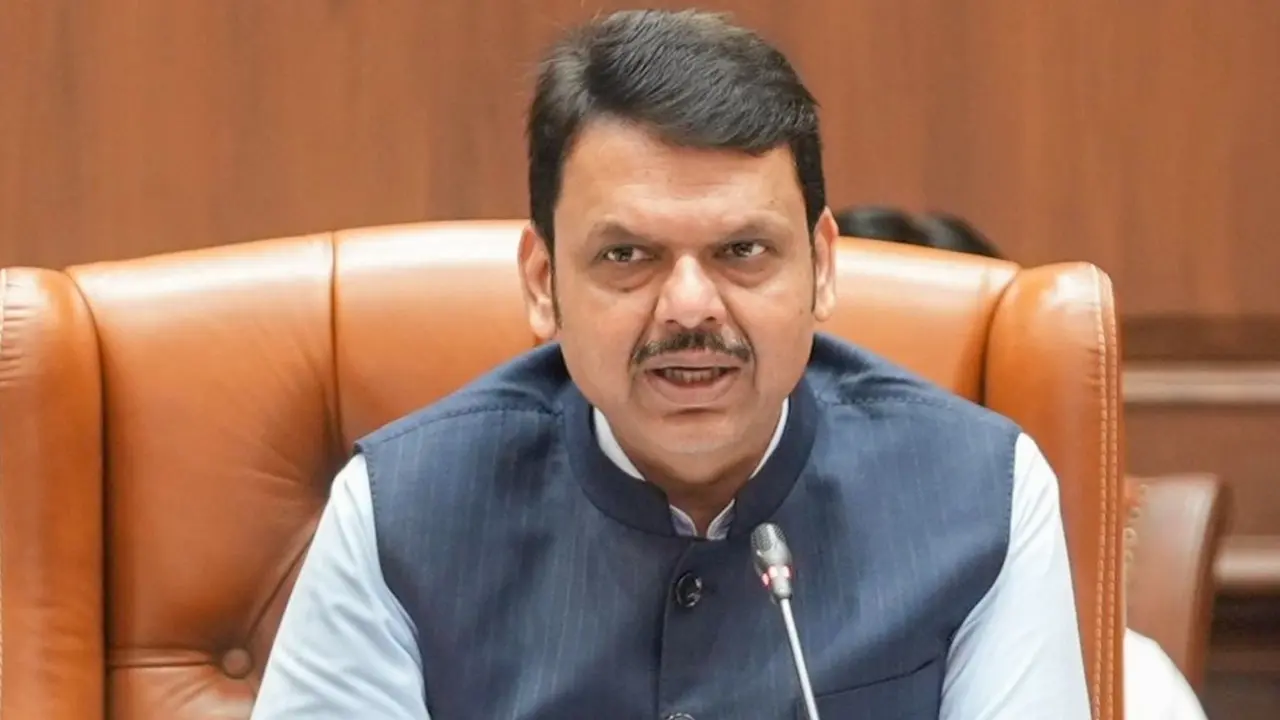
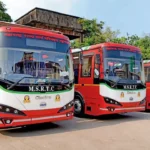
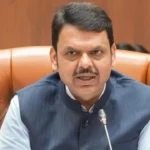
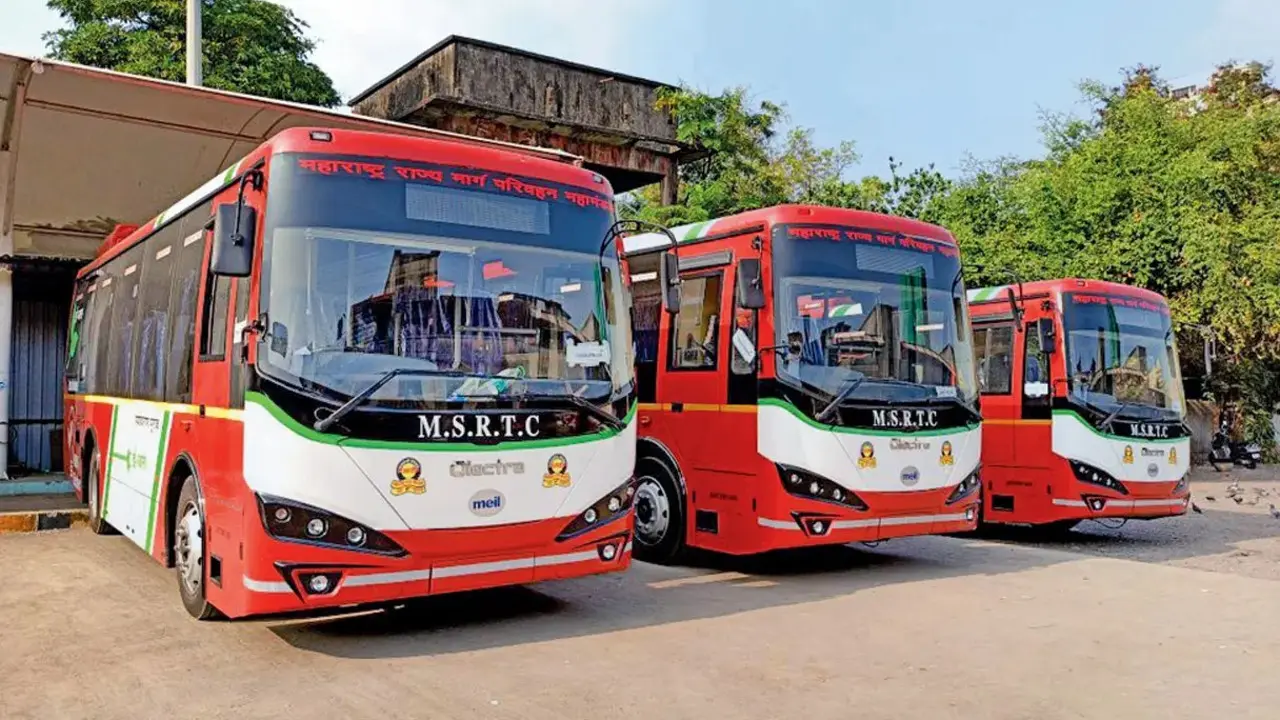
Maharashtra Transport Minister and Maharashtra State Road Transport Corporation (MSRTC) Chairman Pratap Sarnaik has rejected a proposal to increase state transport bus fares by 15 per cent during the Diwali festive season, citing the financial difficulties faced by people amid drought conditions and rising inflation.
The MSRTC administration had proposed a uniform 15 per cent fare increase for the period from November 1 to 15, 2026, to manage the corporation’s financial challenges during the festive rush. However, Sarnaik declined to approve the proposal, maintaining that passengers should not face an additional financial burden during an already difficult economic period.
The decision means the proposed seasonal fare increase will not be implemented for the specified period, providing relief to passengers who depend on state-run buses for daily travel and festive journeys.
Minister cites drought, inflation as reasons for rejection
Explaining his decision, Pratap Sarnaik said increasing fares would place additional pressure on ordinary citizens, particularly those already struggling with the effects of drought and rising living costs.
He said the government had a responsibility to consider the financial circumstances of people before approving decisions that could increase their daily expenses.
“Despite ST’s financial losses, we will not burden ordinary citizens. Standing by people during difficult times is our duty,” Sarnaik said.
He added that the government would not abandon farmers and other sections of society during periods of economic distress. According to the minister, public welfare must remain a priority even when state-run transport services face financial difficulties.
State transport buses remain important for rural passengers
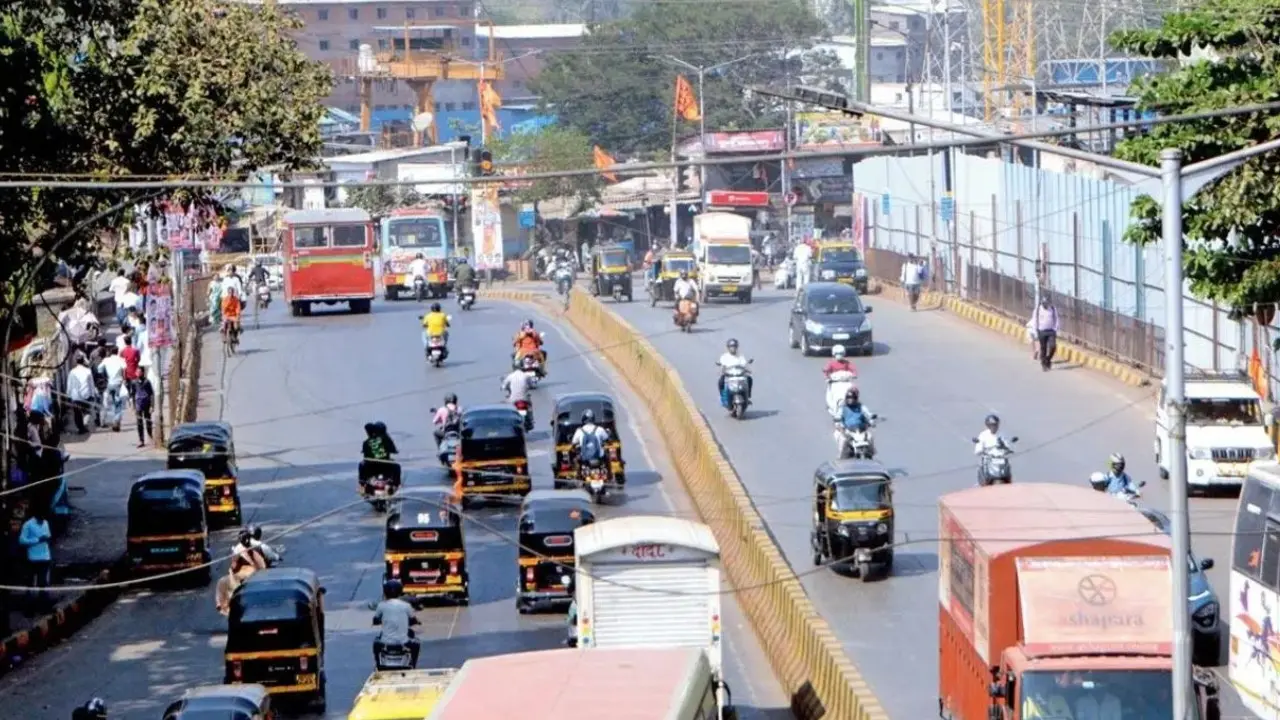
The MSRTC operates an extensive bus network connecting villages, towns and cities across Maharashtra. Its buses are widely used by farmers, agricultural labourers, students, salaried employees, senior citizens and workers who rely on affordable public transport for their daily travel.
A seasonal fare increase during the Diwali period could have raised travel expenses for passengers visiting family members, travelling for work or returning to their native places for the festivities.
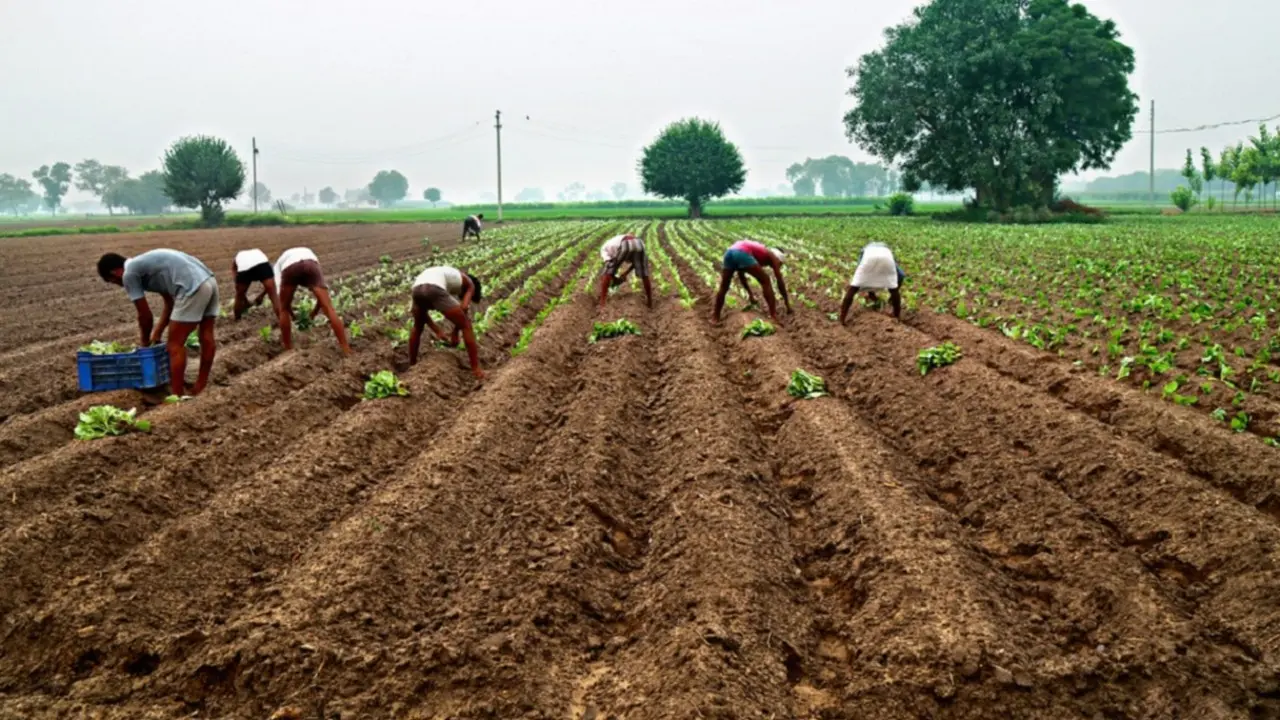
The impact could have been particularly significant for households in drought-affected areas, where reduced agricultural earnings and higher household expenses may already be putting pressure on family budgets.
Sarnaik said the government was aware of these challenges and that decisions affecting public transport fares needed to account for the financial circumstances of passengers.
MSRTC asked to explore alternative solutions
While acknowledging the corporation’s financial losses, Sarnaik said increasing passenger fares should not be the default solution to address its financial difficulties.
He stressed that the MSRTC’s responsibility was to provide safe, reliable and affordable transport services, including to people living in remote areas. The corporation’s financial concerns, he said, needed to be addressed without automatically passing the additional costs on to passengers.
The minister called for alternative measures to improve the corporation’s financial position, although he did not specify any particular measures in the announcement.
“During times of crisis, wiping tears from people’s eyes is more important than reaching into their pockets. We will explore alternative ways to overcome the ST’s financial difficulties, but we will not forget our duty to provide relief to people facing hardship,” he said.