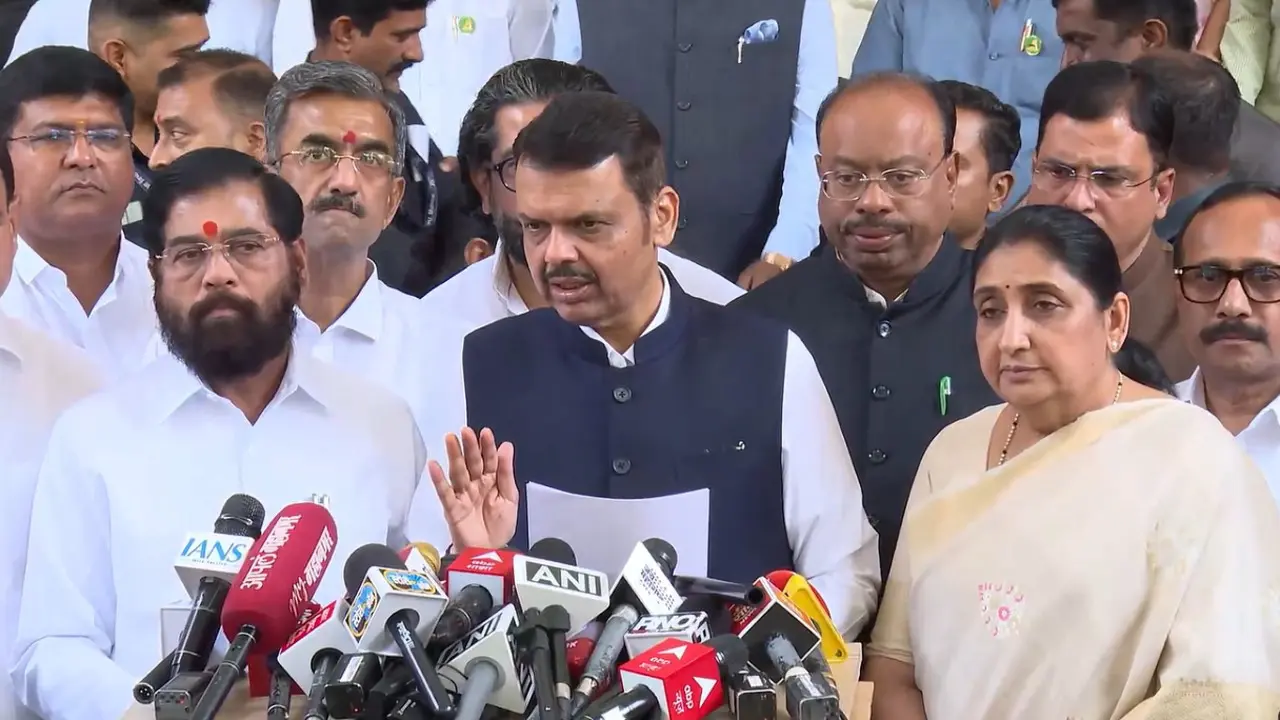


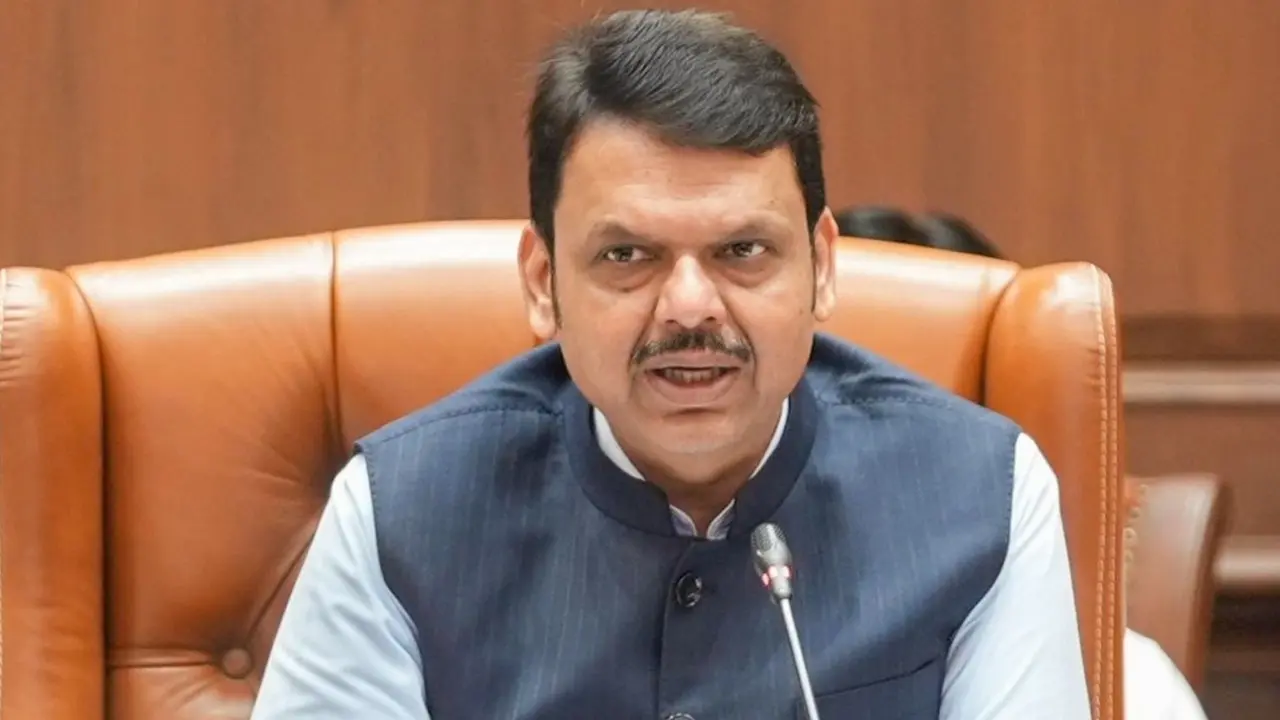
Maharashtra Chief Minister Devendra Fadnavis on Wednesday defended the ongoing Special Intensive Revision (SIR) of electoral rolls, describing it as a long-standing practice within India’s electoral framework and rejecting opposition criticism of the exercise.
In a post on X, Fadnavis said maintaining accurate electoral rolls was essential to a robust democracy. He said the revision process was intended to update voter records, remove duplicate entries and correct inaccuracies, rather than deprive eligible citizens of their right to vote.
The chief minister’s remarks come amid concerns over the revision of electoral rolls and the need to ensure that eligible voters are not excluded from the final lists.
Fadnavis says eligible voters will have opportunities to correct records
Fadnavis said voters whose names were missing or had been incorrectly omitted could apply for inclusion or seek corrections within the prescribed deadlines.
He noted that the Election Commission had extended the period for submitting claims and objections to give citizens additional time to check their details and address discrepancies.
Eligible first-time voters and those whose names do not appear in the draft electoral rolls can apply for inclusion through Form 6, he said. Voters seeking corrections to their names, addresses or other personal details can submit Form 8.
The chief minister urged residents across Maharashtra to check their entries in the draft electoral rolls through official portals or by contacting their local Booth Level Officers (BLOs). He also advised voters to use the 1950 helpline for assistance with the process.
Electoral officers retain authority over deletions
Addressing concerns about the use of technology during the revision exercise, Fadnavis said tools could help identify duplicate or unusual entries, but statutory decisions on the inclusion or deletion of names remained with the Electoral Registration Officer (ERO).
The state government maintains that removing duplicate entries and records of deceased or permanently shifted voters is necessary to improve the accuracy of electoral rolls.
Fadnavis appealed to eligible citizens to verify their details and complete any required corrections before the final electoral roll is published.
Deadline for claims and objections extended to October 26
The Election Commission of India (ECI) has extended the deadline for submitting claims and objections to the draft electoral roll in Maharashtra until October 26.
The draft electoral roll was published on August 31 under the ongoing revision programme, with October 1 as the qualifying date. The extension gives voters additional time to seek inclusion, challenge entries or request corrections.
According to the schedule, the process of issuing notices and resolving claims and objections began on August 31 and will continue until November 10.
The final electoral roll is scheduled to be published on November 16, as per the existing timetable.
Voters urged to verify names before final roll
Fadnavis said citizens should take an active role in checking their voter details and reporting errors before the final lists are prepared.
The government has presented the revision exercise as a measure to improve electoral accuracy and protect the validity of votes.
(With inputs from IANS)