



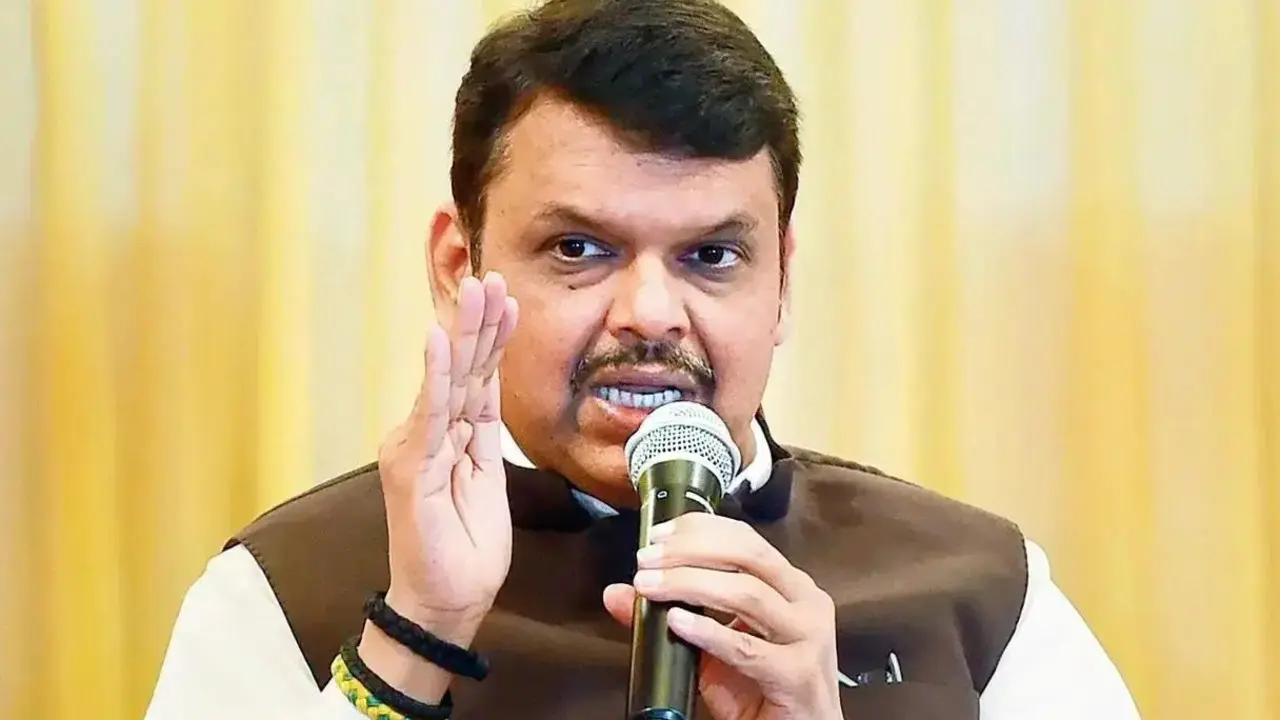
Maharashtra Chief Minister Devendra Fadnavis on Friday identified the drought triggered by El Nino, extensive crop losses and the possibility of drinking water and fodder shortages as the biggest immediate challenges facing the state.
Speaking at the India Today Conclave, Fadnavis said nearly 75 per cent of Maharashtra’s crops had been affected, leading to significant agricultural losses. He added that the government was preparing measures to address the emerging situation.
“Challenges are always there. We are a developing economy, and in a developing economy, there is always some challenge or another. But if you ask me about the immediate challenge, I believe the drought caused by El Nino this year is the biggest challenge,” he said.
Fadnavis was responding to a question about the biggest challenges he faces as chief minister. His current tenure has placed him among Maharashtra’s longest-serving chief ministers.
Nearly 75 per cent of crops affected
Highlighting the extent of the agricultural damage, Fadnavis said the impact of the drought could extend beyond crop losses, potentially affecting drinking water availability and fodder supplies for cattle in the coming months.
“Nearly 75 per cent of our crops in Maharashtra have been affected, resulting in huge crop losses. There could also be problems with drinking water in the coming months, as well as a shortage of fodder for cattle. We are planning for these challenges now,” the chief minister said.
El Nino is a climate pattern characterised by the abnormal warming of surface waters in the central and eastern Pacific Ocean. In India, the phenomenon can weaken southwest monsoon winds and contribute to reduced rainfall, prolonged dry spells and an increased risk of drought and heatwaves.
Rain-shadow region adds to drought vulnerability
Fadnavis said around 52 per cent of Maharashtra’s geographical area was drought-prone, attributing the recurring problem to the state’s geographical conditions and uneven rainfall distribution.
“This has always been the case because a major part of Maharashtra lies in the rain-shadow region, where adequate rainfall does not occur and where the retreating monsoon is the main source of rainfall,” he said.
He also pointed to what he described as a paradox: despite Maharashtra’s recurring drought concerns, around 40 per cent of the country’s major dams are located in the state.
Drought declared in 265 talukas
On September 26, the Maharashtra government declared drought in 265 of the state’s 358 talukas, accounting for around 74 per cent of the state’s talukas, amid a rainfall deficit.
The government announced relief measures, including restructuring of crop loans, concessions in land revenue and subsidies on electricity bills.
Fadnavis said preparations were underway to address the immediate challenges posed by crop losses and the potential shortage of drinking water and cattle fodder in the months ahead.
(With inputs from PTI)