


Fires at home and in public spaces can cause severe, life-threatening injuries. Exposure to flames, heat, smoke and loud explosions can damage the respiratory tract, burn the skin and injure the eyes and ears. Knowing basic first-aid measures, avoiding harmful home remedies and seeking timely medical attention can help prevent complications.
Vinod Kumar Menon speaks to Dr Ketan Vagholkar, Professor of Surgery at Dr D Y Patil Medical College, about essential precautions and first-aid measures during fire emergencies.
Inhalation injuries: A serious health risk
Inhaling heat, smoke or toxic chemicals released during combustion can cause serious respiratory injuries. Such injuries require immediate medical attention and expert management.
Treatment focuses on keeping the airway open, ensuring adequate oxygen supply and ventilation, and minimising lung damage. Prompt intervention is essential to prevent life-threatening complications.
Skin burns: Dos and don’ts
Do:
- Stop the burning: Move away from the source of heat or flames.
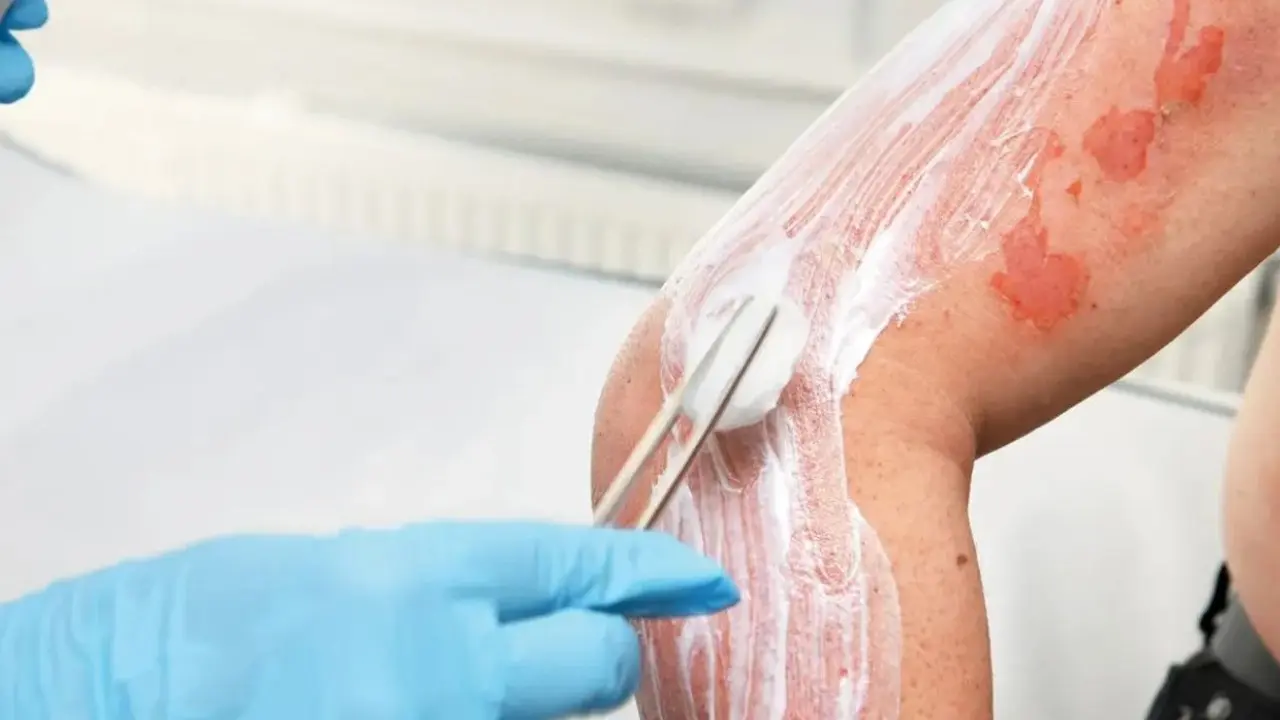
- Cool the burn: Hold the affected area under cool running water for 10-20 minutes.
- Cover the wound: Use a clean, dry, non-stick dressing or sterile cloth.
- Seek medical help: Get immediate attention for deep or large burns and burns involving the face, hands, feet, joints or genitals.
Don’t:
- Apply ice: Never use ice or ice-cold water on burns.
- Try home remedies: Avoid butter, oils, grease, toothpaste or creams.
- Burst blisters: Leave them intact to protect against infection.
- Use adhesive dressings: These can damage burned skin when removed.When scalp hair catches fire
- Hair may appear superficially damaged even when the underlying scalp has sustained serious burns.
- Cool the affected area under running water for 10-20 minutes.
- Cover it lightly with a clean, dry, non-stick dressing.
- Seek immediate medical attention, particularly for burns involving the head, face or neck.
- Do not apply ice, oils, butter, grease or creams.
- Protecting your eyes
- Smoke, ash and flying debris can irritate or injure the eyes.
Prevention:
- Wear close-fitting goggles or safety glasses.
- Stay indoors with windows and doors closed when smoke levels are high.
- Avoid wearing contact lenses in smoke-filled environments.
If your eyes are irritated:
- Do not rub them, as this can worsen irritation or injury.
- Use lubricating artificial tears to help flush out irritants.
- Gently place a clean, cool compress over closed eyelids.
- Seek medical attention if irritation persists or you experience pain or vision changes.
Protecting your ears from firecracker noise
- Loud firecrackers can cause temporary or permanent hearing damage.
- Maintain distance: Stay away from firecrackers.
- Wear ear protection: Use properly fitted earplugs or earmuffs.
- Choose suitable protection: Foam or silicone earplugs and noise-reducing earmuffs help reduce exposure.
- Double up: Use both earplugs and earmuffs in extremely noisy environments.
Remember: Prevention, prompt first aid and timely medical attention can minimise injuries and save lives.