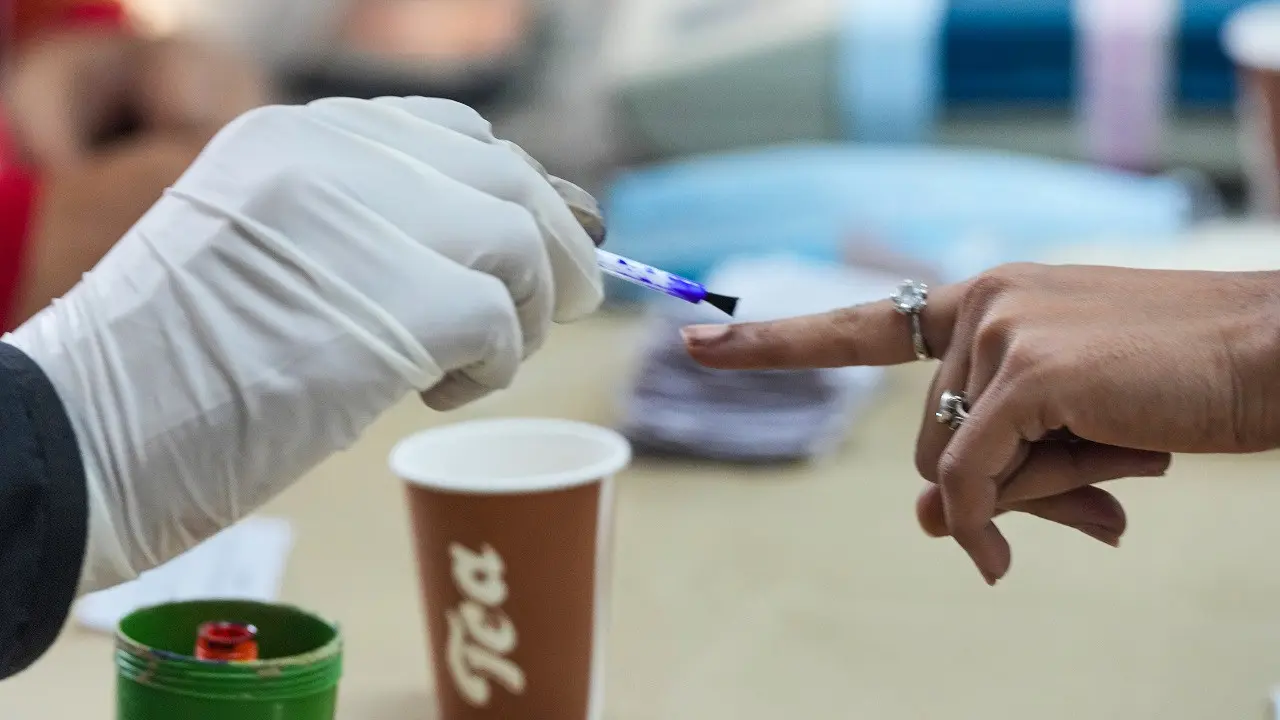



As India’s financial capital gears up for a crucial political event, the spotlight is firmly on the BMC Election 2026. For global observers and local residents alike, understanding the intricate machinery of the Brihanmumbai Municipal Corporation (BMC)—Asia’s richest civic body—is essential to grasping the future trajectory of Mumbai. At Lokmaha News, we take a closer look inside Mumbai’s wards to decode the administrative and political landscape ahead of the polls.
The Significance of the BMC Election 2026
The upcoming civic elections are more than just a routine democratic exercise; they represent a pivotal moment for Mumbai’s infrastructure and governance. The BMC manages a budget larger than that of several small nations, responsible for the city’s roads, water supply, health, and education infrastructure. Due to various administrative delays, the polls—originally slated for earlier—are now projected for 2026, creating a high-stakes environment for all major political players.
For voters, the BMC Election 2026 is an opportunity to address chronic urban challenges. From the coastal roads of South Mumbai to the suburban sprawl of the north, every vote will determine how the city navigates its rapid modernization against the backdrop of historical civic issues.
Decoding Mumbai’s Administrative Wards
To truly understand how Mumbai functions, one must look beyond the macro-level politics and focus on the micro-level administration: the Wards. Mumbai is divided into 24 administrative wards (labeled A to T), each with its distinct demographic and geographic challenges.
Lokmaha News analyzes why knowing your ward matters:
- South Mumbai (A to E Wards): Often facing issues related to heritage conservation, aging drainage systems, and commercial congestion.
- Western Suburbs (H to K Wards): Exploring challenges regarding rapid real estate development, traffic bottlenecks, and coastal regulation zones.
- Eastern Suburbs (L to T Wards): Focusing on industrial redevelopment, affordable housing, and essential sanitation infrastructure.
This decentralized view allows voters to hold local corporators accountable for specific ward-level problems rather than general city-wide grievances.
Key Issues Dominating the Agenda
As we approach the BMC Election 2026, several critical themes are emerging. Infrastructure fatigue is a primary concern, with citizens demanding better road quality and flood management systems during the monsoon. Furthermore, urban pollution and air quality have risen to the top of the priority list, reflecting a global shift toward environmental consciousness in urban planning.
The Road Ahead
The delay in elections has led to administrators running the civic body for an extended period. This has created a pent-up demand for democratic representation. As political parties formulate their manifestos, the focus must remain on sustainable development and transparency.
Stay tuned to Lokmaha News as we continue our comprehensive coverage of Mumbai’s civic evolution, bringing you the facts that matter from every ward in the city.