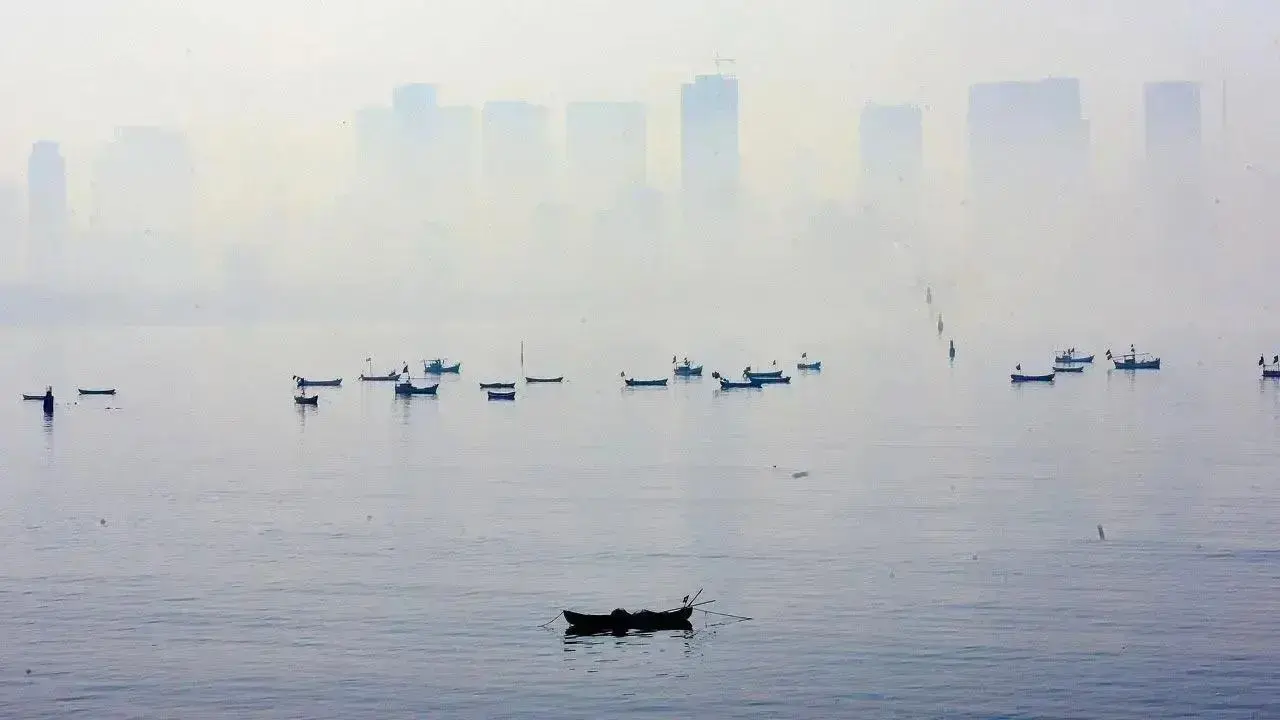

Amid concerns over rising pollution, the Maharashtra government on Tuesday informed that more than 1,600 factories in Thane district have been classified in the “Red Category” for their high pollution index, as per the Central Pollution Control Board (CPCB).
Responding to a question raised by BJP MLA Atul Bhatkhalkar during ongoing the Maharashtra Monsoon Session 2025, State Environment Minister Pankaja Munde clarified that according to the CPCB’s revised classification dated March 7, 2016, a total of 1,606 factories in Thane district fall under the Red Category, which corresponds to a Pollution Index (PI) exceeding 60.
However, the government denied that these factories have caused any deaths linked to air or chemical pollution. Citing reports submitted by the District Health Officers of Thane and Navi Mumbai, the minister stated that no evidence has been found to suggest that emissions from these factories have led to public health hazards or fatalities.
As there is no confirmed data on deaths or adverse health impacts caused by pollution from these factories, the question of taking punitive action or initiating an investigation does not arise, the minister added.
Bhatkhalkar had asked if it was true that, as of April 2025, 1,880 factories in Thane had recorded a Pollution Index above 60. He also sought clarification on whether pollution levels in these factories had increased significantly due to chemical usage and air contamination, allegedly posing a threat to public health and resulting in the death of many citizens. Additionally, he questioned what action the government had taken to investigate and contain the pollution. If no action was taken, he demanded an explanation for the delay.
The issue once again highlights the growing environmental concern in one of Maharashtra’s most industrialised and densely populated districts. It raises serious questions about the efficacy of pollution monitoring, long-term regulatory planning, and the state’s approach to balancing industrial growth with public health and environmental safety.
The Maharashtra Monsoon Session 2025 began on June 30, with the state government presenting supplementary demands totalling Rs 57,509.71 crore.
The proposed expenditure aims to boost key sectors, including infrastructure development – such as roads, metro rail, and irrigation – along with provisions for the upcoming Simhastha Kumbh Mela, the Mahatma Jyotirao Phule Health Scheme, the Sanjay Gandhi Niradhar Grant Scheme, scholarships for backward class students, and welfare initiatives for economically and socially weaker sections.
Of the total demand, Rs 19,183.85 crore is marked as non-discretionary (obligatory) spending, while Rs 34,661.34 crore is programme-based funding. An additional Rs 3,664.52 crore pertains to Centrally sponsored schemes. However, the net financial impact of the demands is estimated at Rs 40,644.69 crore.