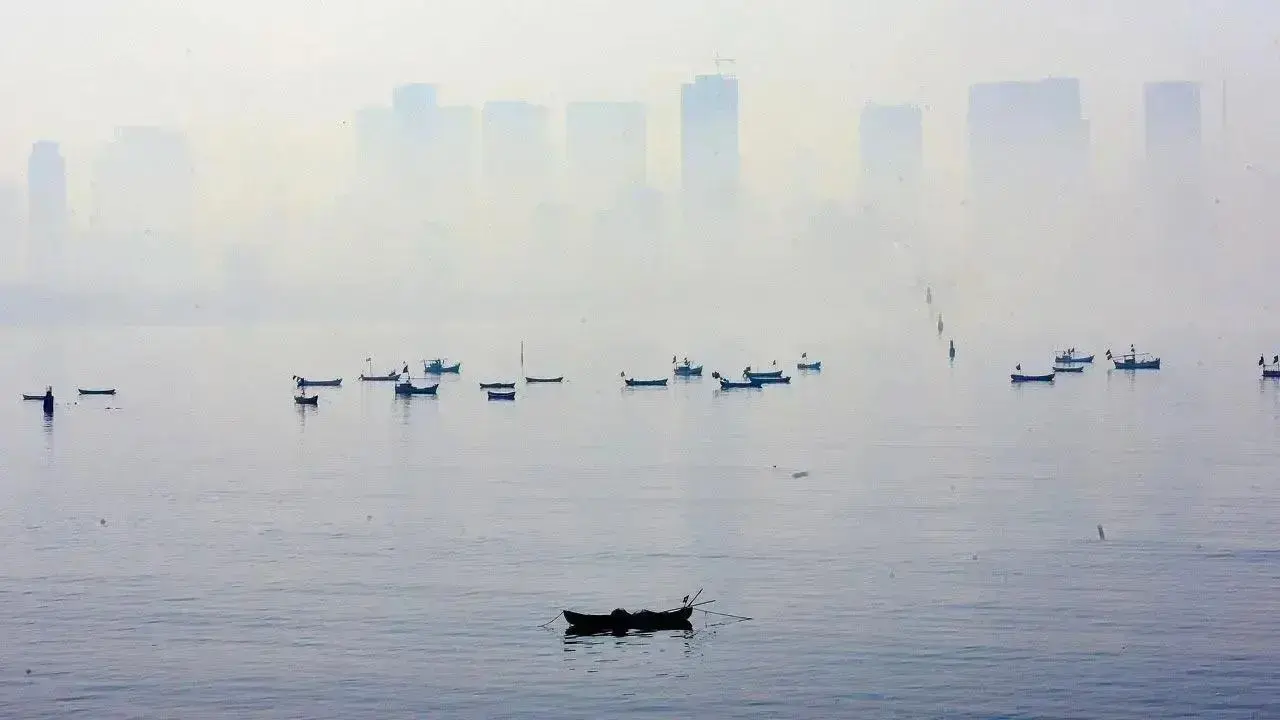

What was once dismissed as a seasonal cough or temporary breathlessness and dryness of skin, especially during the winter season, is now emerging as a much deeper health crisis for Mumbai. Medical experts warn that breathing difficulties are only the first visible symptom of a growing list of pollution-induced health problems affecting residents across age groups. With air quality frequently slipping into the ‘poor’ and ‘very poor’ categories, doctors are witnessing a surge in patients suffering from ailments that go far beyond respiratory distress.
The vocal fold cyst developed by a 14-year-old
Medical experts say prolonged exposure to polluted air laden with fine particulate matter, construction dust and vehicular emissions is triggering inflammation across multiple systems of the body. Doctors have noticed a rise in cases related to the throat and skin.
Vocal cord issues
Ehtesham P, the father of the 14-year-old boy, told mid-day, “About two months ago, our son developed severe throat pain. We first went to a local ENT who prescribed some medication. However, he did not feel any better. Later, we approached Dr Nupur Kapoor Nerurkar, who asked us if our son had been shouting or consuming a lot of oily and spicy food. But it wasn’t so. We just told her that he has a habit of reading out loud when studying for the SSC exam. But she said that this couldn’t be the sole reason. Then she asked us if there was a lot of dust near our home or his school. We then told her that a lot of construction activity was going on near our home, and we were traversing stretches where Metro work is taking place when dropping him off at school. That is when she said that elevated dust levels had resulted in cyst formation.”
Dr Sonali Kohli, senior consultant, dermatology, Sir HN Reliance Foundation Hospital, Dr Nupur Kapoor Nerurkar, laryngologist, and voice surgeon (right) Dr Shareefa Isa Chause, MBBS, DDVL, who treated Ronak Shinde’s skin ailment. PICS/BY SPECIAL ARRANGEMENT
ENTs have explained that persistent inhalation of polluted air causes the vocal cords to dry out and swell, and saliva to thicken. Dr Nupur, laryngologist and voice surgeon at Bombay Hospital, said pollution can cause changes in the body where secretions, such as saliva and mucus, become thicker, leading to inflammation of tissues of the upper and lower airway. “We are seeing more patients with vocal fold cyst development. This means that due to inhaling a large amount of polluted air, the glands that produce secretion get blocked and thus the cyst forms. Similarly, thickening of secretions in the throat due to inhaling highly polluted air and causing inflammation of the mucosa can cause the Eustachian tube (which connects the back of the throat to the eardrums) to also get inflamed, resulting in problems in the ear and throat.”
Skin can’t breathe
Cases of contact dermatitis, eczema flares, unexplained rashes and pigmentation issues have also risen significantly over the past few months. Dr Sonali Kohli, senior consultant, dermatology, Sir HN Reliance Foundation Hospital, said, “Over the past month, we have seen an increase in patients presenting with superficial skin infections and inflammatory flare. Many of these patients have reported new or worsening symptoms. In our clinic, we have seen an approximate 25 per cent rise in such patients. Pollution is a plausible contributing factor, but rarely the sole cause.”
She added, “Particulate matter and gaseous pollutants lead to oxidative stress on skin cells, causing barrier disruption, an increased susceptibility to irritants, allergens, and pathogens; and inflammation, resulting in exacerbation of eczema/atopic dermatitis and acne-like flares.” Dr Kohli said other contributors, such as seasonal humidity changes, increased interpersonal contact, changes in hygiene practices, mask use, sweat/occlusion, and behavioural factors, often act together. “So it is reasonable to say pollution may be an important driver,” she added.
Case study
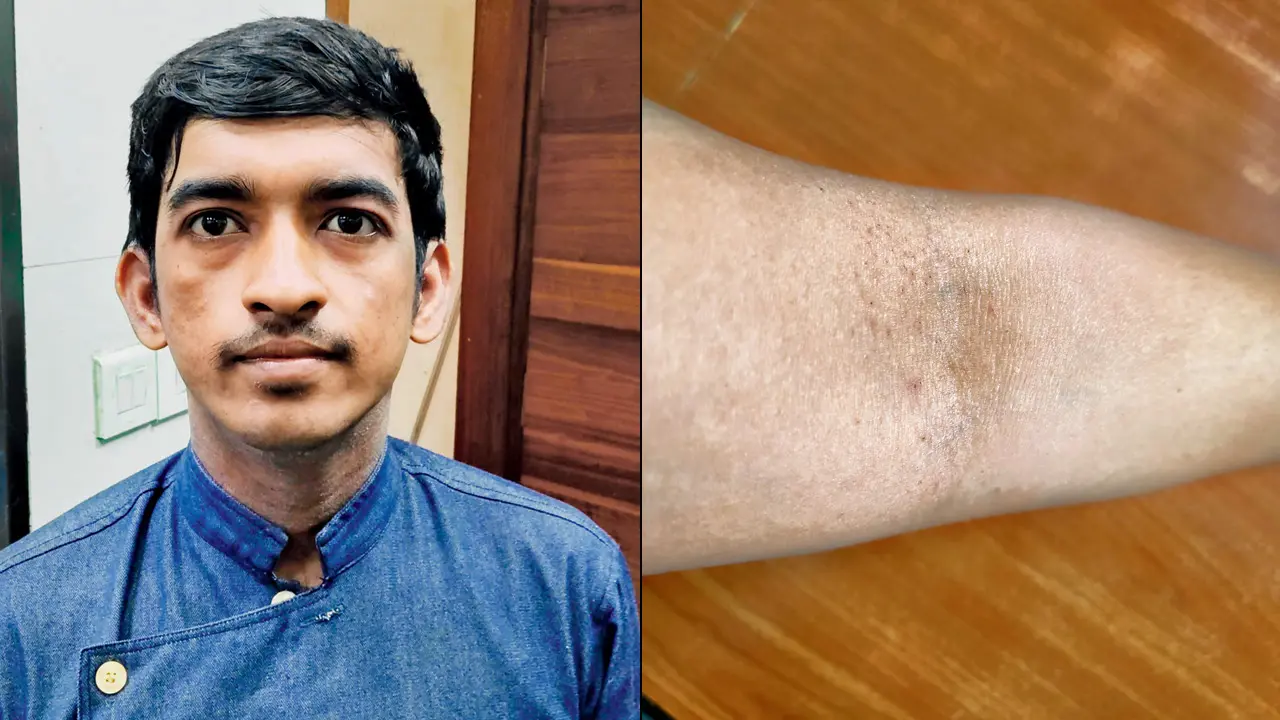
Ronak Shinde, who lives in Mankhurd and travels to the Mumbai airport daily by road, said his skin had developed extreme dryness around three weeks ago. “Despite no change in my routine or food intake, or travel habits, I suddenly began experiencing extreme itching and developing rashes that bled if I scratched a bit. After a few tests, my dermatologist explained that the skin’s dryness has increased massively. We soon realised that it had turned drier due to increased pollution levels. She then prescribed some creams and medication, and now the situation is a bit better,” said Shinde.
His doctor, Dr Shareefa Isa Chause, MBBS, DDVL, said, “When particulate matter comes in contact with the skin, it creates oxidative stress, which sparks an inflammatory response. Skin has a trans-epidermal layer, which helps balance hydration levels. Particulate matter damages skin barriers, the foundational protective layers of our skin. This leads to infections and imbalances.”