Mumbai, the financial capital of India, finds itself at a critical juncture as it looks toward the upcoming civic polls. According to political analysts and urban planners, the BMC Election 2026 will likely witness a significant paradigm shift in voter priorities. For decades, identity politics and emotional rhetoric governed election campaigns in the metropolis. However, a series of compounding civic crises has forced a change in the narrative, placing environment and infrastructure at the very center of political discourse.
A Shift from Rhetoric to Reality
As reported by Lokmaha News, the electorate in Mumbai is increasingly disillusioned with traditional political maneuvering. The delay in the civic elections has only heightened public scrutiny regarding the state of the city’s management. With the BMC Election 2026 on the horizon, citizens are demanding accountability regarding the tangible quality of life issues rather than ideological promises. The consensus is clear: the city’s rapid urbanization has come at a steep cost, and voters want solutions.
The Crumbling Infrastructure Challenge
One of the primary battlegrounds for the BMC Election 2026 will be the state of Mumbai’s infrastructure. While the city boasts an impressive array of ongoing mega-projects—including the Coastal Road and new Metro lines—the immediate reality for the average commuter is one of chaos.
Key infrastructure concerns include:
- Perpetual Construction: Widespread digging has led to traffic snarls and increased dust pollution.
- Road Quality: The recurring issue of potholes during the monsoon season remains a major sore point for taxpayers.
- Last-Mile Connectivity: While arterial transport is being upgraded, local neighborhood connectivity remains neglected.
Lokmaha News observes that political parties will need to present a cohesive roadmap for completing these projects without further disrupting daily life if they hope to secure the mandate.
Environmental Crisis and Public Health
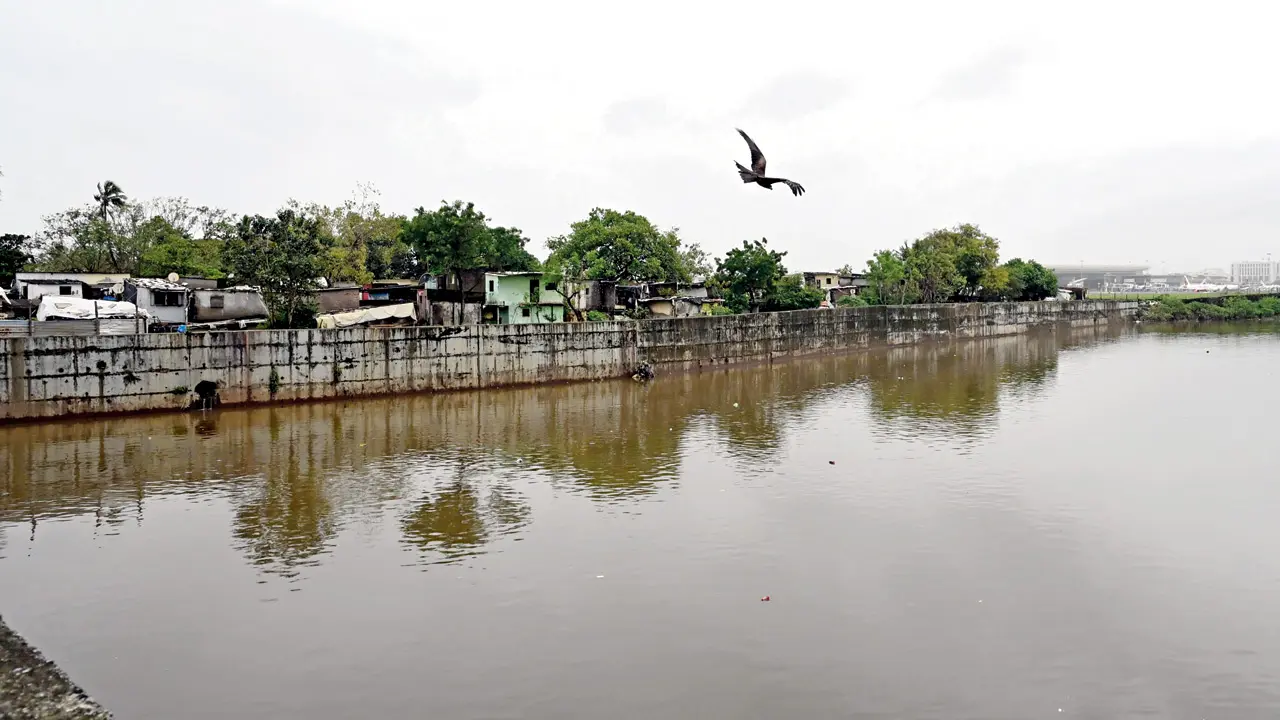
Perhaps the most alarming issue shaping the BMC Election 2026 narrative is the rapid degradation of Mumbai’s environment. In recent years, the city has witnessed deteriorating Air Quality Indices (AQI), often surpassing pollution levels seen in Delhi. The loss of green cover to make way for concrete structures has sparked citizen-led movements and protests.
Voters are now asking tough questions about waste management, the preservation of open spaces, and the city’s resilience against climate change. The rising temperatures and unseasonal rains have brought the reality of global warming to Mumbai’s doorstep, making environmental sustainability a non-negotiable demand for the upcoming polls.
Conclusion: A Call for Sustainable Governance
As the countdown to the BMC Election 2026 begins, the message from the ground is unmistakable. The citizens of Mumbai are seeking a governance model that balances economic growth with ecological sustainability. Political stakeholders must realize that the road to power in India’s wealthiest civic body now runs through clean air, pothole-free roads, and sustainable urban planning. Stay tuned to Lokmaha News for continued in-depth coverage of Mumbai’s changing political landscape.