



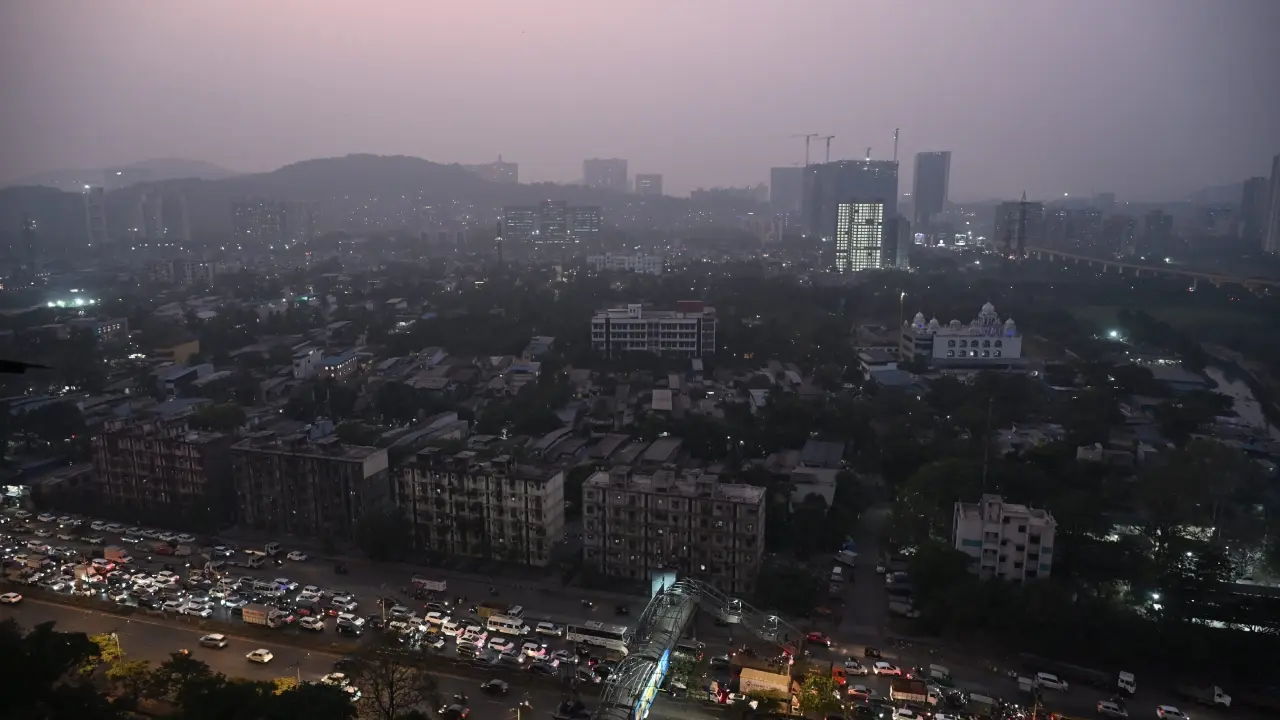
The sudden and sharp rise in air pollution levels has once again placed immense pressure on an already stretched healthcare system, with hospitals and clinics across the city witnessing a noticeable surge in patients reporting pollution-related ailments.
Doctors from both civic-run hospitals and private healthcare facilities say outpatient departments are recording a steady increase in cases of breathlessness, persistent coughing, wheezing, and exacerbation of pre-existing respiratory conditions such as asthma and chronic bronchitis. Medical professionals point out that the impact of poor air quality is no longer limited to the lungs alone.
A growing number of patients are complaining of burning sensations and redness in the eyes, frequent headaches, dizziness, and general discomfort, all of which are being linked to prolonged exposure to polluted air. Physicians warn that vulnerable groups, including children, senior citizens, and those with underlying heart or lung conditions, are particularly at risk during such periods of elevated pollution.
Health experts have cautioned that continued exposure without adequate preventive measures could lead to long-term health complications, further burdening the healthcare infrastructure. As air quality indices continue to remain in the bad and worse categories in several areas, doctors are urging citizens to limit outdoor activities, use protective masks and seek medical attention at the earliest sign of distress, underscoring the urgent need for sustained measures to address the worsening air quality crisis.
Dr Swapnil Mehta, Sr consultant, pulmonology, Dr L H Hiranandani Hospital said that Air pollution in urban India is an unavoidable reality, but daily lung protection is absolutely possible. Some simple habits-a well-fitted mask during peak hours of traffic flow, avoiding outdoor exercise when AQI is poor, and, indoors, air purifiers-can make a big difference in reducing harmful particle intake. Many underestimate the impact of daily breathing habits: nasal breathing instead of mouth breathing, steam inhalation after days of heavy exposure, staying hydrated, and antioxidant foods like fruits, green vegetables, turmeric, and omega-3 fats really help the lungs battle inflammation caused by pollution. Long-term exposure to pollutants silently increases the risk of lung cancer, heart disease, and stroke; thus, protection must also start at home with clean indoor air, zero smoking or passive smoke exposure, timely vaccinations, and early medical evaluation of any persistent cough or breathlessness’
Dr Huzefa Dhansura, eye surgeon, Saifee Hospital, “From one patient in three days, we are now seeing three to four daily. Pollution disturbs the protective layer of the eye. Most patients complain of burning sensation, redness and itching in the eye. We are also seeing more cases of dry eye syndrome, where a patient constantly feels like splashing water on their eyes or keeping them closed. In some cases, the damage due to dust and pollution is so intense that it damages the cornea, leading to eye ulcers. Use zero-number spectacles, irritation-resistant drops on doctor’s prescription, wash your eyes frequently, do not rub your eyes even if you feel irritation, and use an air purifier at home.”
Mohan Desai, medical superintendent, KEM Hospital, “We have seen a rise in the number of patients complaining of breathing issues, throat infections, and nasal tract irritation in our OPDs. But considering the rising pollution levels, this was very much expected, and we are well prepared to handle the cases. We also have sufficient quantity of oxygen with us in case of a severe jump in the number of asthma or other respiratory cases.”
Dos and Dont`s
– Use a mask, not a cloth, but a surgical or N95 one, when outdoors
– Dispose of masks properly in the dustbin
– Avoid being outdoors, especially during peak hours
– Frequently wash your eyes, hands, face, and blow your nose to keep the nostrils clean. Do not blow your nose with intense pressure
– Improve your immunity by increasing the intake of proteins and vitamins
– Inhale with the nose and exhale with the mouth
– Perform supervised breathing exercises at least twice a day
Patients talk
Gauri Oak, Malad resident said, “I had stopped using my asthma inhaler one and a half years ago, as I was getting better with the help of ayurvedic medication and regular breathing exercises. I did not even feel the necessity to use it during winter, the most difficult season for patients like me. For the past 15 days, I have been forced to use the inhaler at least thrice a day. It has become difficult to breathe. I am a working woman and spend three hours travelling daily.”
Shrishti Jog, Borivli resident said, “I work the afternoon shift, and the increased pollution and heat have forced me to use glasses as my eyes hurt a lot. When I visited my ophthalmologist, she said I was suffering from allergies due to dust particles. She has given me two drops, one to keep my eyes lubricated and another to treat the allergy. It gets very difficult for me to use specs, as I am not used to them at all. This has led to headaches.”