
Decoding Mumbai: A Deep Dive into the City’s Wards Before the Polls
As the financial capital of India gears up for the highly anticipated BMC Election 2026, understanding the intricate administrative framework of the city has never been more critical. Mumbai, governed by the Brihanmumbai Municipal Corporation (BMC)—the richest civic body in Asia—is divided into distinct administrative wards, each facing unique challenges and demographic shifts. At Lokmaha News, we bring you a comprehensive breakdown of what lies inside these wards and why they matter for the future of the metropolis.
Understanding Mumbai’s Administrative Layout
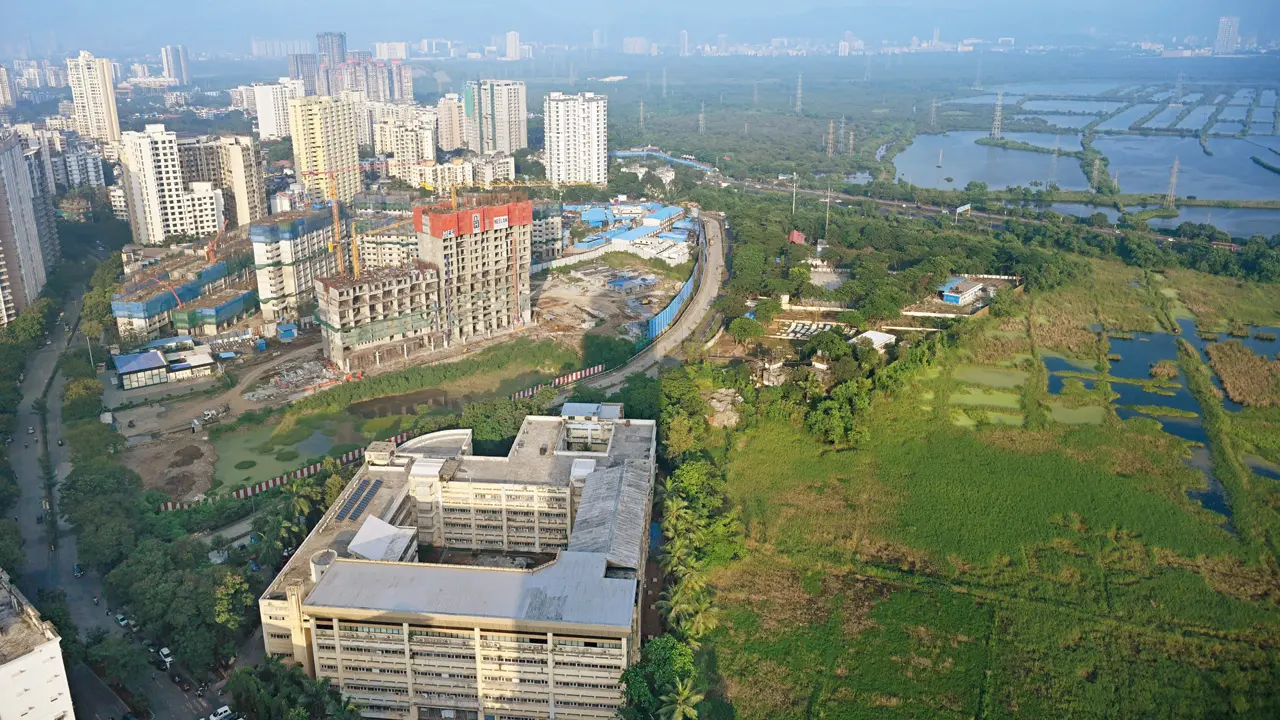
For global observers, the scale of Mumbai’s governance can be staggering. The city is segmented into 24 administrative wards (labeled A to T). These wards function as micro-cities, each with its own Assistant Municipal Commissioner, tasked with maintaining infrastructure, public health, and waste management.
As we approach the BMC Election 2026, the boundaries and demographics of these wards are under scrutiny. Recent delimitation exercises and population shifts have altered the political map, making the ‘Know Your Ward’ concept essential for voters and analysts alike. Lokmaha News analysis indicates that the outcome of the upcoming polls will largely depend on hyper-local issues specific to these zones, ranging from coastal zone management in South Mumbai to suburban railway connectivity in the north.
Key Civic Issues Dominate the Agenda
While political ideologies play a role, the BMC Election 2026 will primarily be fought on the ground of civic amenities. Our analysis highlights three major areas of concern across Mumbai’s wards:
- Infrastructure and Flooding: With Mumbai’s monsoon struggles being headline news globally, ward-level drainage solutions are a priority.
- Redevelopment Projects: Aging housing colonies in central wards are awaiting rehabilitation, a key promise likely to be leveraged by all major parties.
- Open Spaces: The demand for green lungs and recreational areas remains high in the densely packed suburbs.
The Political Landscape
The battle for the BMC is often seen as a bellwether for broader Indian state politics. The BMC Election 2026 will see fierce competition between established coalitions. Control over the BMC does not just mean managing the city’s budget; it signifies political dominance over India’s economic hub.
Voters are increasingly looking for accountability. Reports by Lokmaha News suggest that the electorate in 2026 will be more data-driven, evaluating candidates based on past performance records within their specific wards rather than generic party manifestos.
Conclusion
As Mumbai moves closer to the polls, the focus shifts from macro-politics to micro-management. Understanding the specific dynamics of each ward is the key to predicting the result of the BMC Election 2026. Stay tuned to Lokmaha News for continued in-depth coverage of Mumbai’s civic evolution.