



Tunnelling work for the ambitious 9.23-km underground road corridor linking Orange Gate on the Eastern Freeway to Marine Drive is set to begin today with the launch of a Tunnel Boring Machine (TBM), marking a major milestone for one of Mumbai’s most complex urban infrastructure projects.
The project, with an estimated cost of Rs 8,056 crore and a completion period of 54 months, involves the design and construction of a nearly 10-km corridor, including around 7 km of underground road. It aims to significantly enhance east-west connectivity, reduce travel time by 15–20 minutes, cut fuel consumption, and help lower air and noise pollution.
Officials described the tunnel as the first of its kind in India, passing beneath densely populated areas while crossing both the Central and Western Railway corridors as well as the Mumbai Metro Line 3 (Aqua Line). At its deepest point, the tunnel will run approximately 50 metres below ground, with an average depth ranging between 12 and 52 metres.
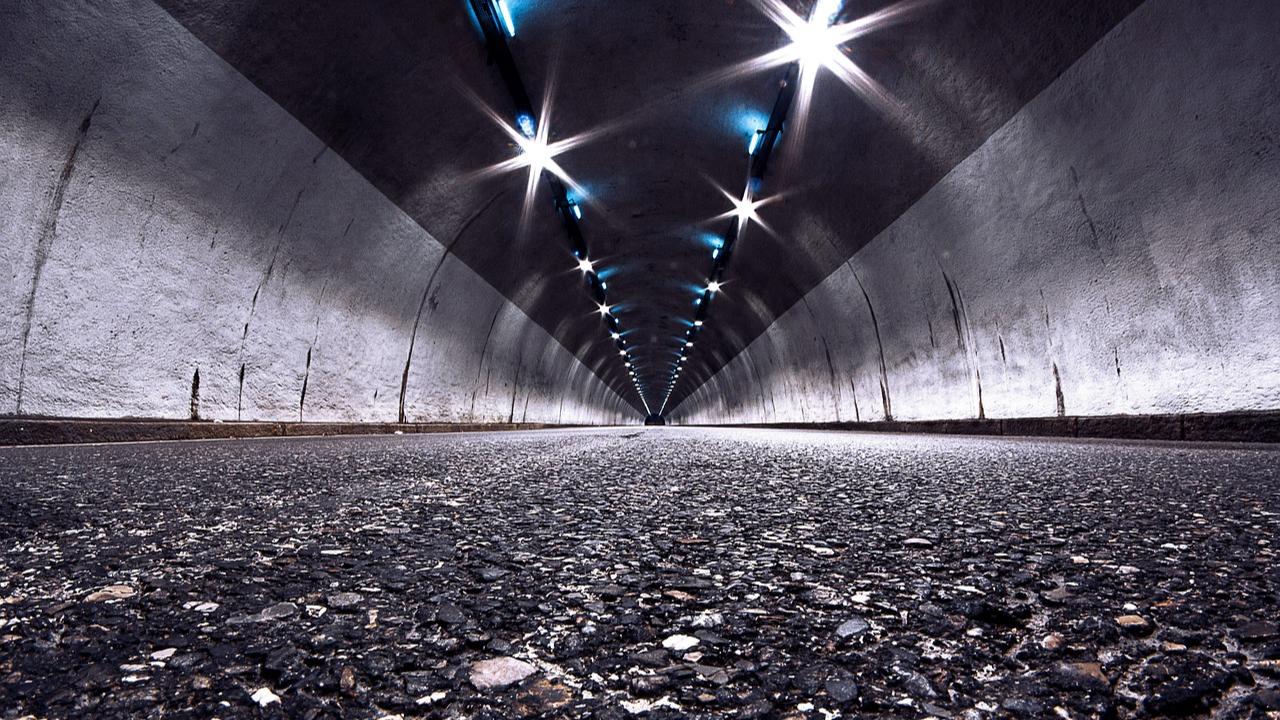
The twin tunnels will each feature two traffic lanes of 3.2 metres and an emergency lane of 2.5 metres. The speed limit will be capped at 80 kmph. For safety, cross passages will connect the two tunnels every 300 metres. The project will also include mechanized ventilation systems, fire-resistant installations, modern lighting, and an Intelligent Transport System (ITS) to ensure efficient traffic management.
Authorities said the underground alignment was chosen to minimise land acquisition and ensure minimal disruption to the city’s surface-level activities. The corridor will integrate with major urban transport projects such as the Coastal Road and Atal Setu, improving overall network efficiency.
The tunnelling will be carried out using a slurry-shield Tunnel Boring Machine, proven effective in Mumbai’s coastal geology and previously deployed in the Mumbai Coastal Road Project. The refurbished and re-manufactured TBM, supervised by the original equipment manufacturer, has a cutter head diameter of 12.19 metres, a total length of 82 metres, and weighs about 2,400 tonnes.
According to project officials, overall physical progress currently stands at 14 per cent, with tunnelling now set to accelerate the pace of work.